It’s not just birds that like to go fishing, especially during the summer months. Lots of New Zealanders head out on the water and around our shores to cast a line or net out and reel in some kai moana (seafood) for their dinner.
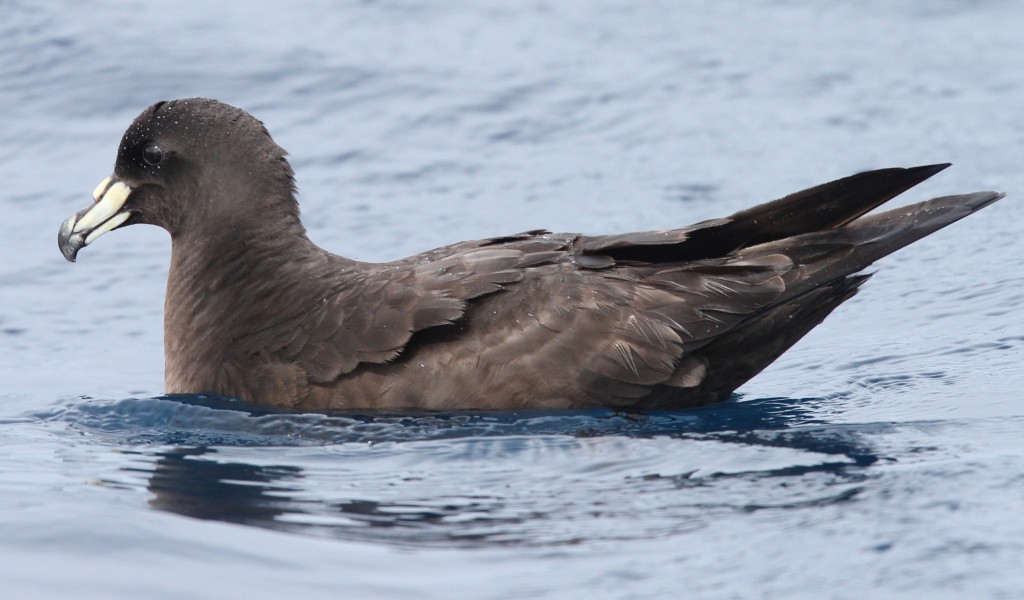
A black petrel or taiko (Photo by Karen Baird).
What you might not know is that some seabirds can sniff out a free meal more than 30 kilometres away. They will swarm around fishing vessels, looking for an easy meal, and can get injured or are drowned, by getting hooks get stuck in their beaks or wings or becoming tangled in the fishing line or net.
So what we can we to help stop this from happening? Emma Cronin is Forest and Bird’s Seabird Liason Officer. You or someone in your family might have seen her story in our spring issue of Forest and Bird’s magazine. KCC and Emma want everyone who goes out to fish to help look after our seabirds and to know what to do if any do get injured on your watch.
Try not to attract seabirds. Make sure your bait sinks quickly so the birds can’t grab it. You could also keep your bait in a covered bin, hide any hooks.
Safely scare seabirds away. Try to deter the birds from hanging around your boat or fishing spot, but make sure you don’t hurt them in the process. You can throw a bucket of water at them or use a hose or toy water gun to move the birds away.
Check out these tips for protecting seabirds while fishing and how to safely remove seabirds from your hook if they do get caught.
Share them with your whanau friends and school and be seabird smart this summer!